Steel Plates – Steel Bars – Steel Mesh: The Trio of Essential Structural Materials

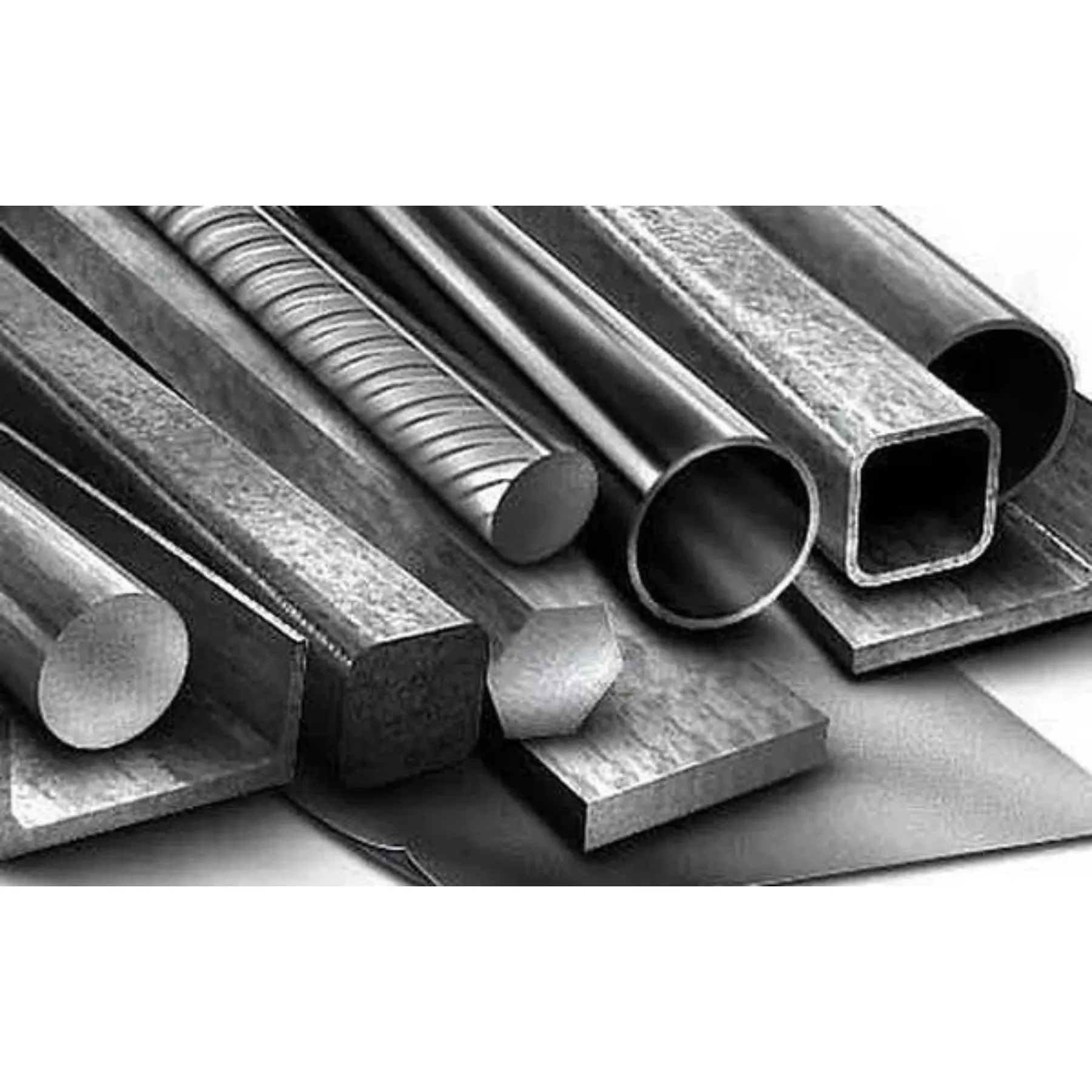
Steel plates, steel bars, and steel mesh are fundamental metal materials widely used across various industries such as construction, mechanical structures, transportation, and architecture. Each type plays a crucial role in structural stages, processing, and project finishing.


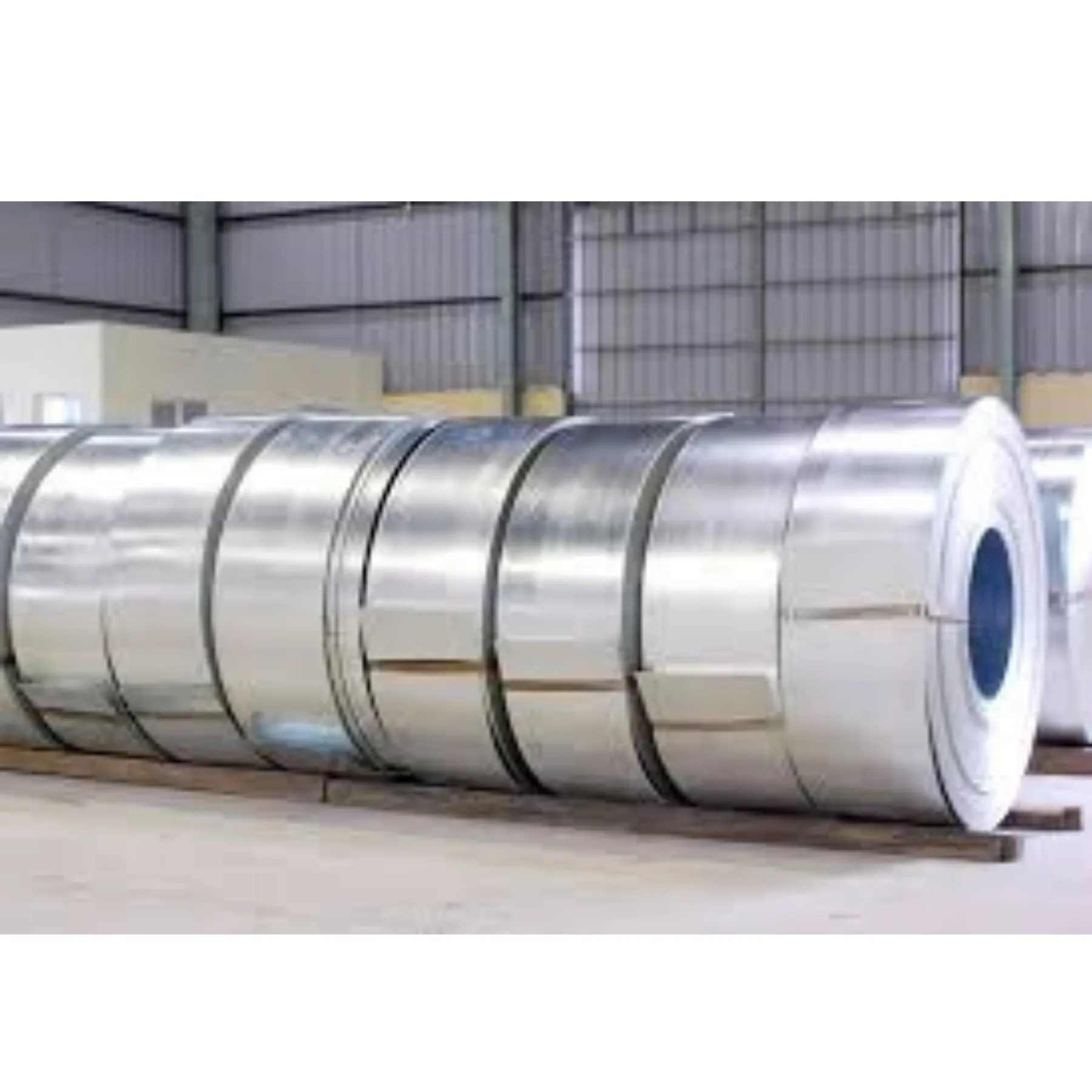
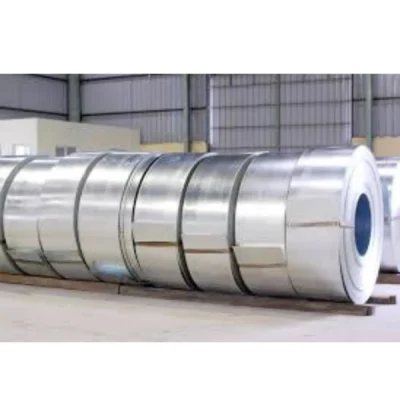
1. Steel Plate

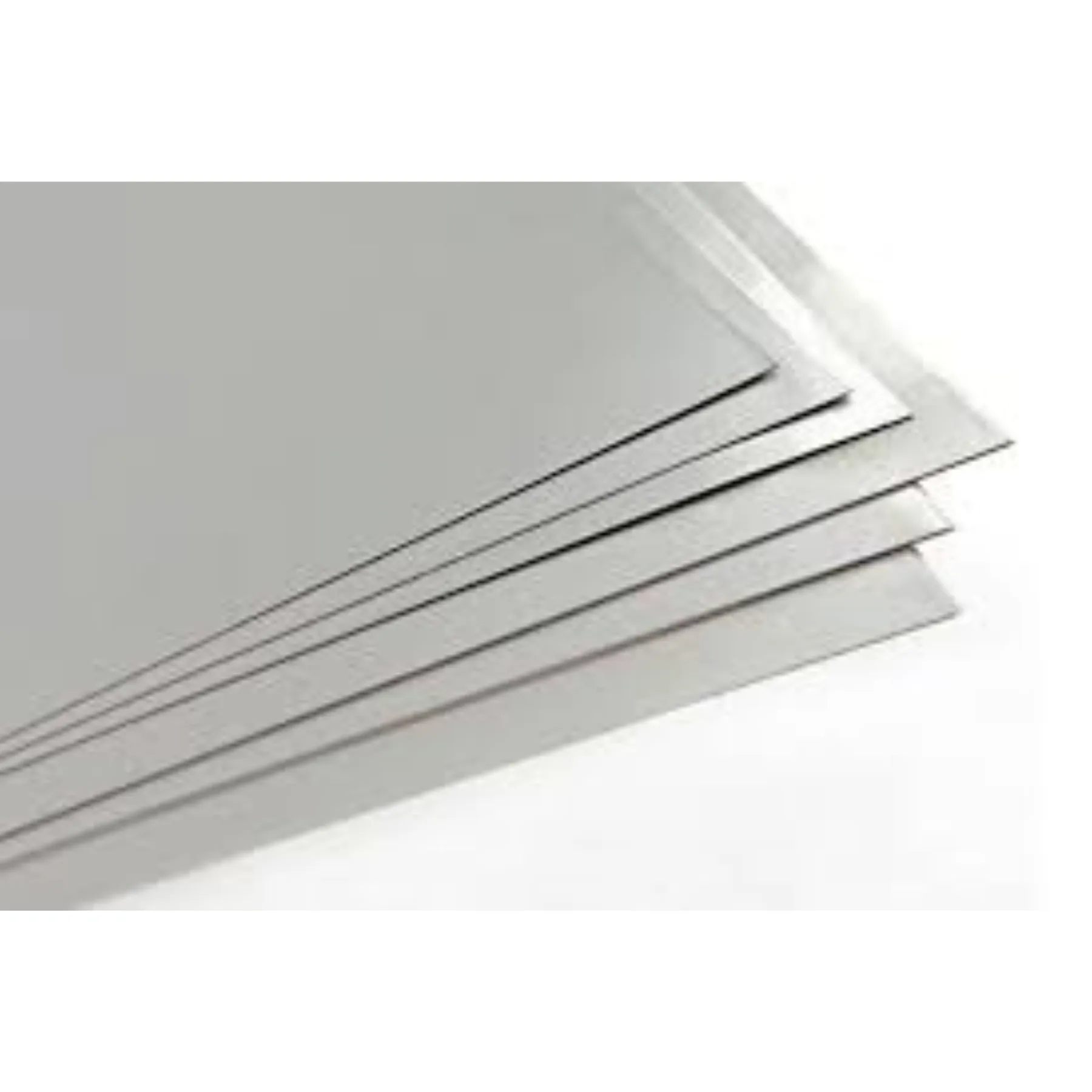
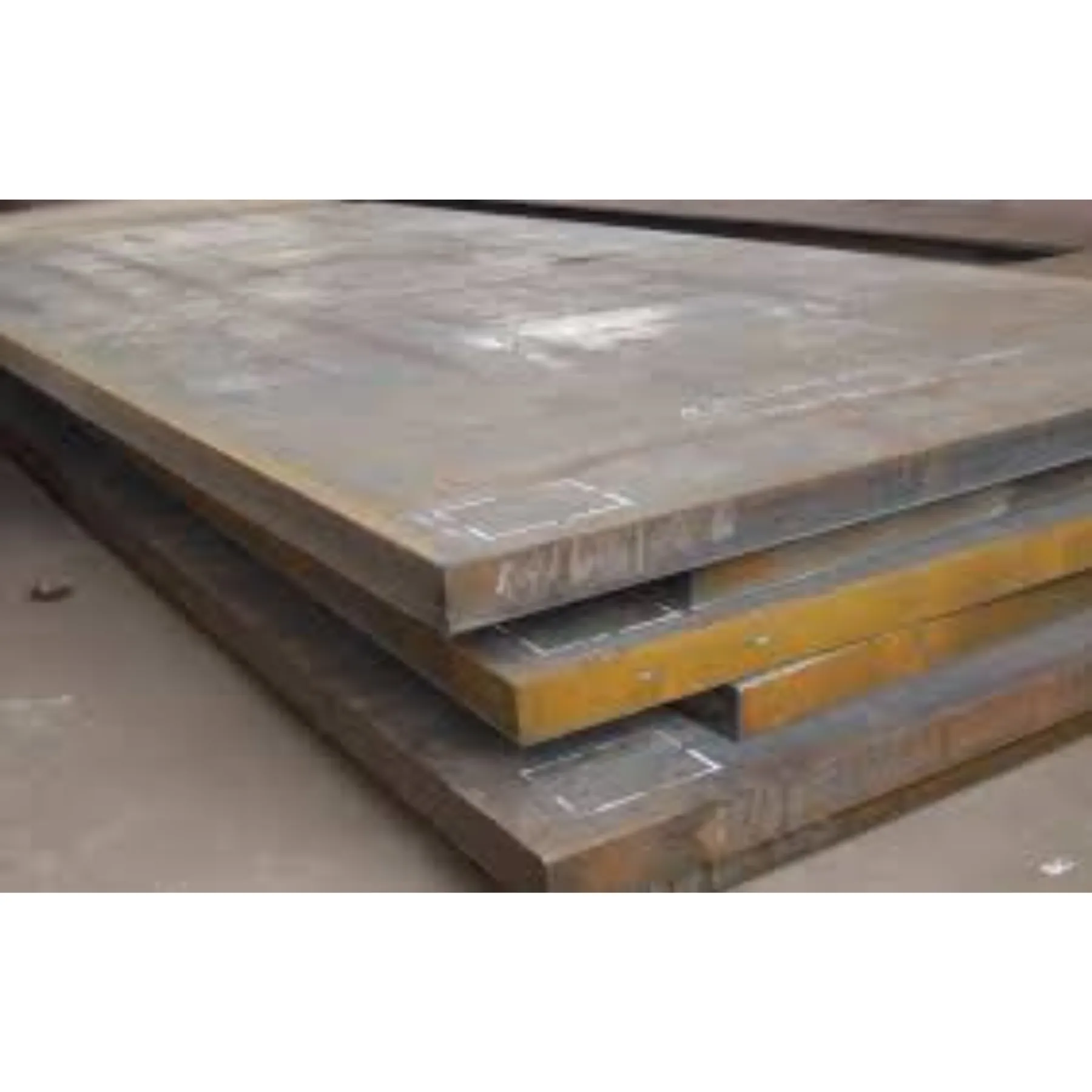
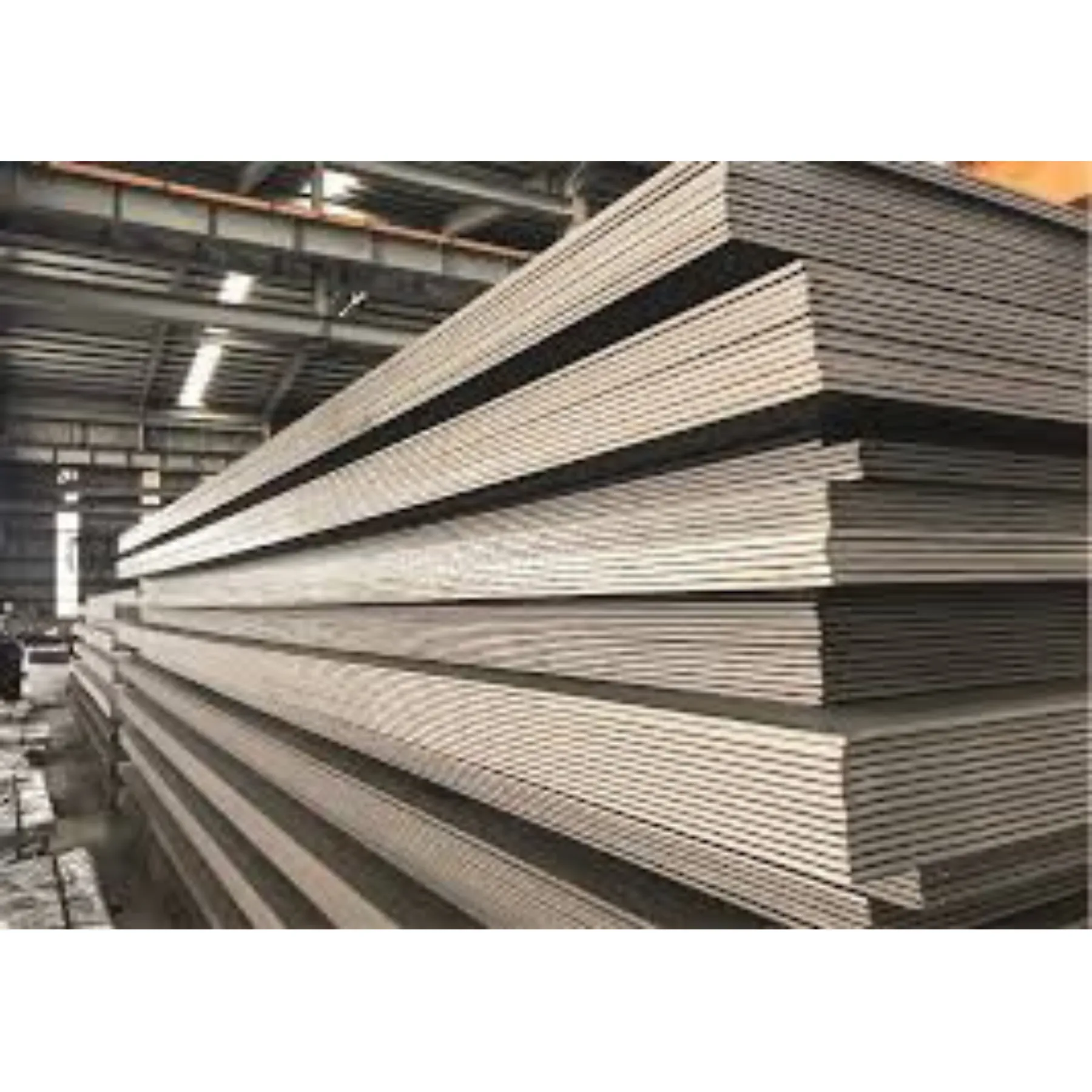
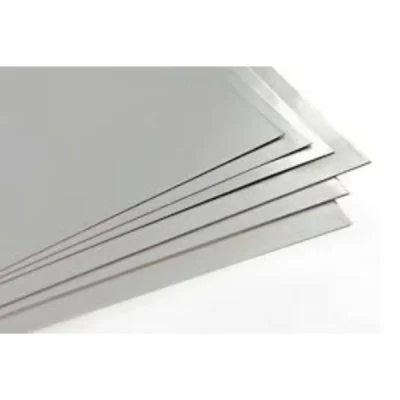
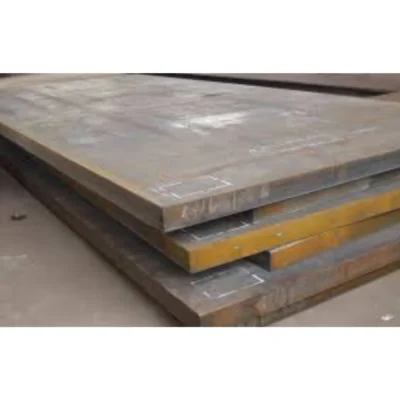
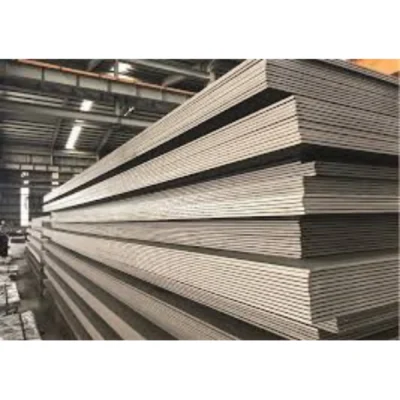
  • Steel plates are flat metal sheets with thickness typically above 6 mm, produced through hot-rolling or cold-rolling methods.

  • Applications: structural frames, industrial flooring, tanks, equipment manufacturing, road bridges, and industrial components.

  • Key Advantages: high mechanical strength, excellent load-bearing capacity, easy processing, and pressure resistance.


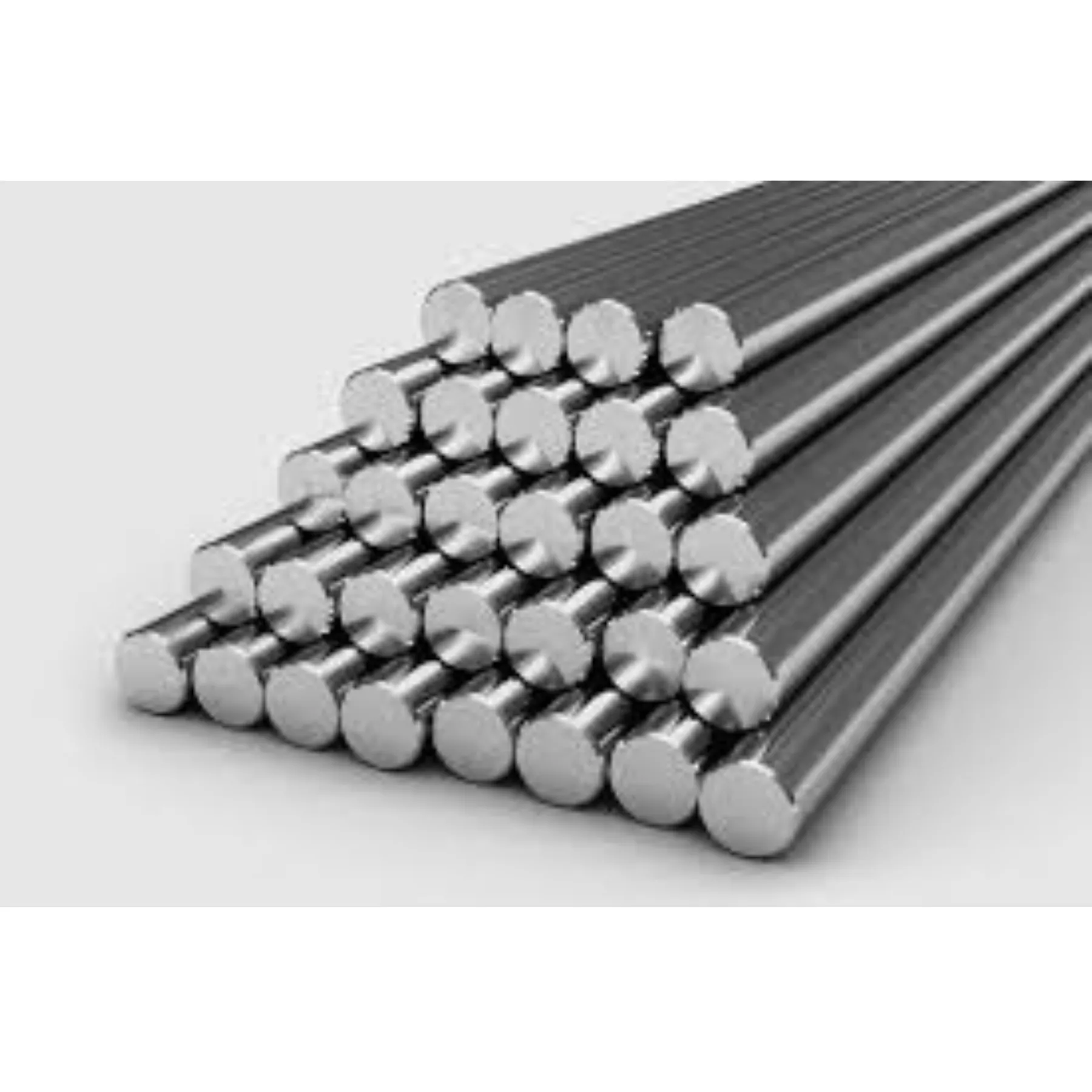
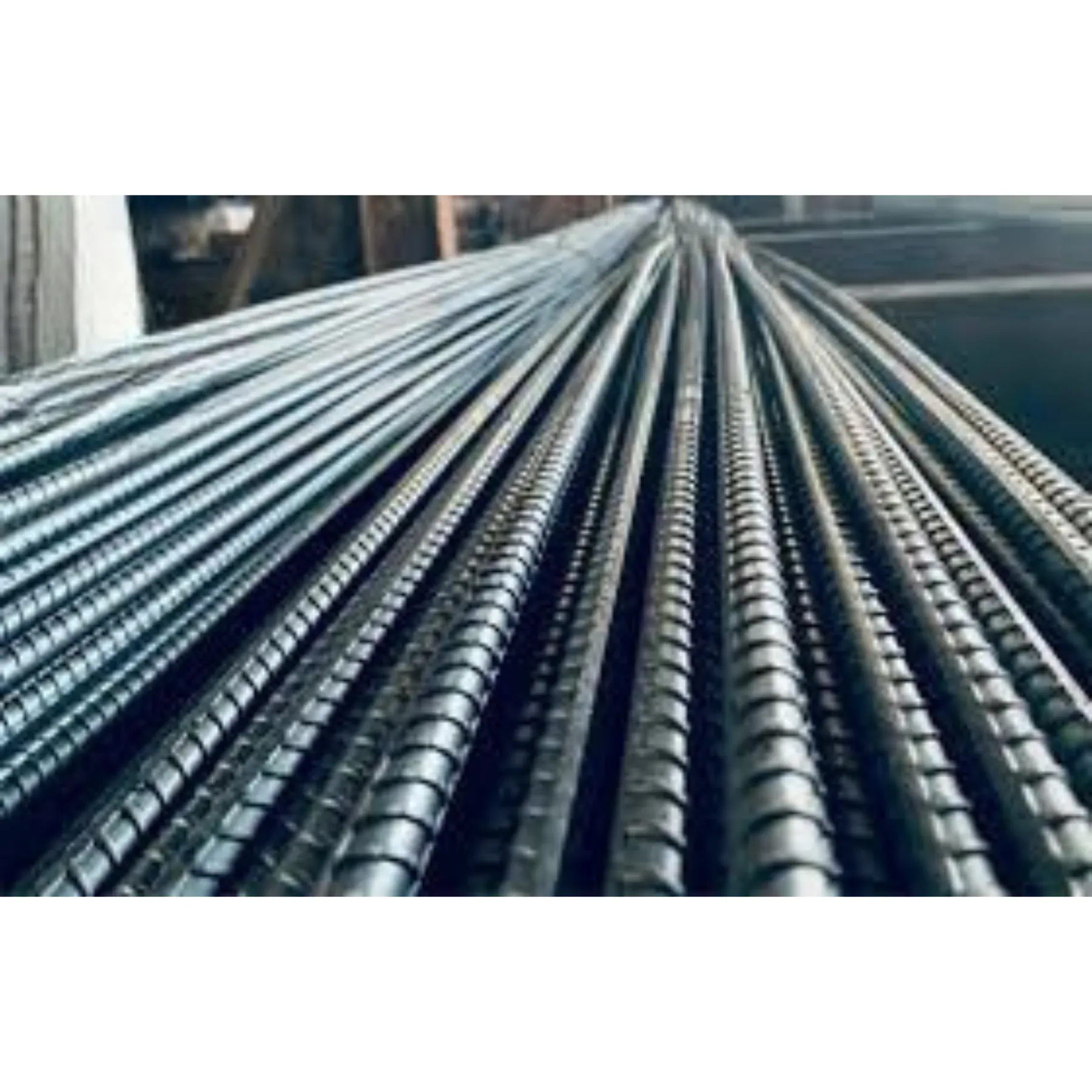
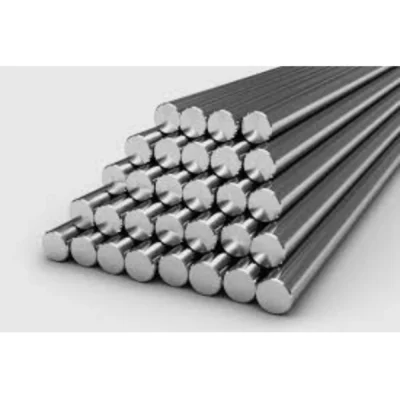
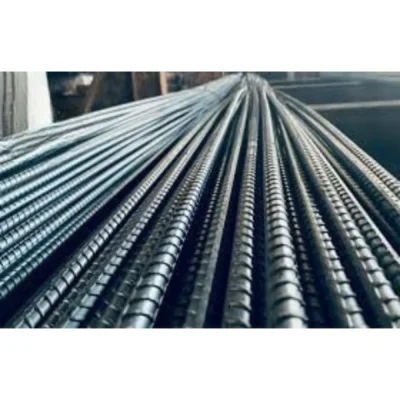
2. Steel Bar (Rebar)

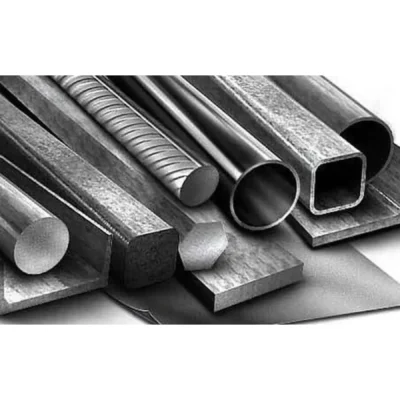
  • Steel bars are round or ribbed rods used for concrete reinforcement, enhancing tensile strength and preventing cracking.

  • Common sizes: diameters range from 6 mm to over 50 mm, including standards like CII, CB400, CB500.

  • Ribbed rebar mesh helps reduce material costs by 10–30%, saves installation time, and increases bonding with concrete.


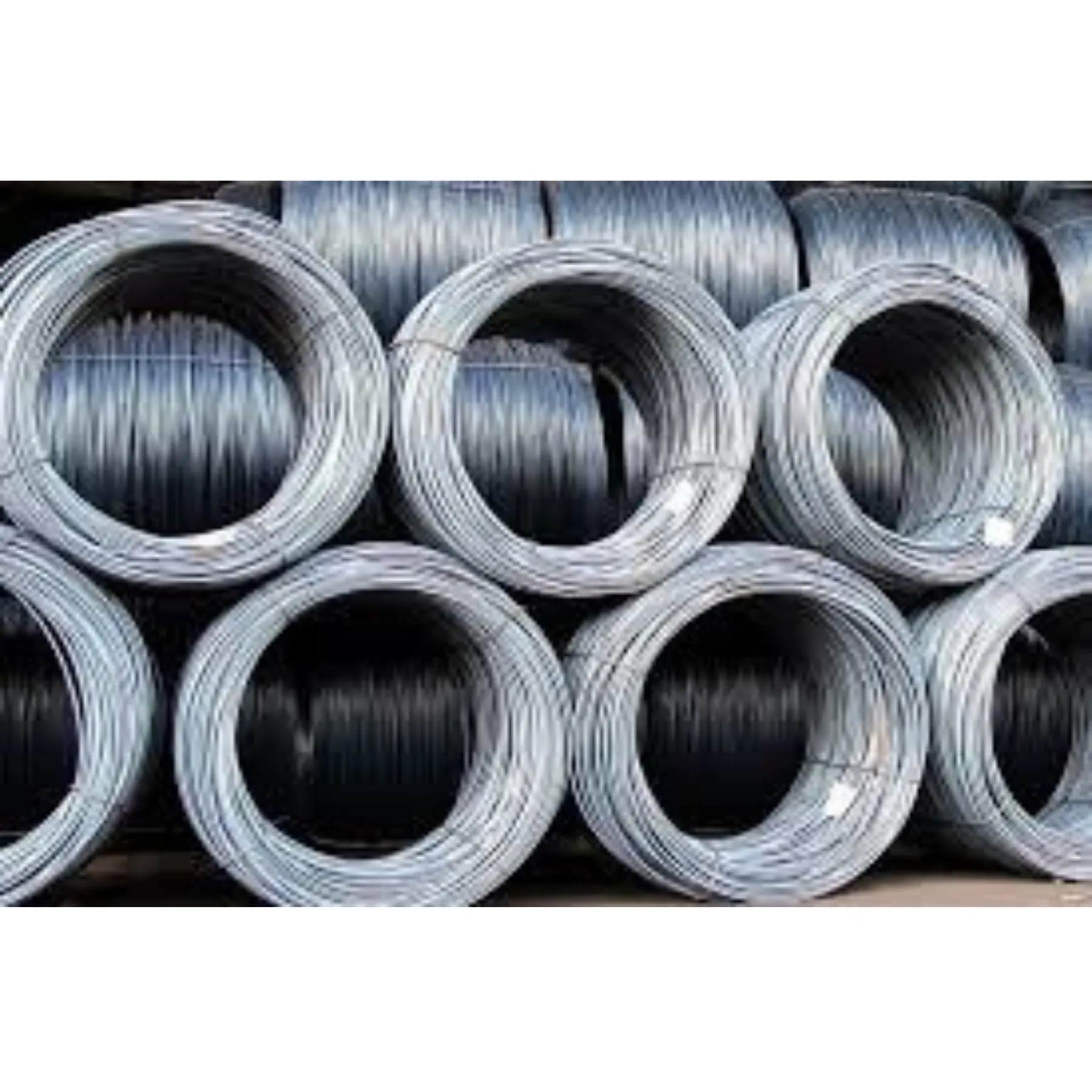
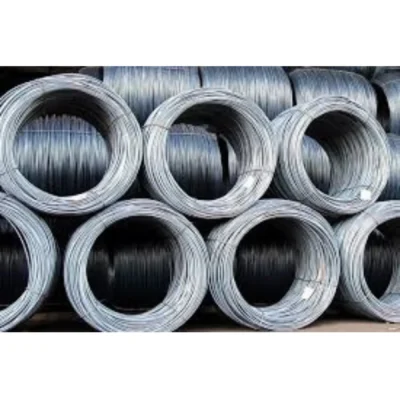
3. Steel Mesh

  • Main types: welded steel mesh and woven steel mesh. Welded mesh offers higher rigidity due to solid bonding between wires.

  • Can be galvanized or PVC-coated for enhanced corrosion resistance, making it suitable for outdoor or humid environments.

  • Applications: concrete reinforcement (floors, walls), safety fencing, scaffolding, industrial racking, machine guarding, filtration, and decorative use.


Quick Comparison Table

Product Main Use Key Advantages
Steel Plate Structural connections, large-scale framing High strength, durable, easy fabrication
Steel Bar Reinforcement for concrete Enhances tensile strength, reduces cracking
Steel Mesh Concrete reinforcement, fencing, aesthetics Strong, easy to install, long-lasting outdoors

Real-World Applications

  • Construction: used for foundations, floors, and concrete walls in both residential and industrial buildings.

  • Structural fabrication: ideal for factories, oil rigs, substations, and large-scale infrastructure.

  • Machinery & equipment: used in scaffolding, industrial shelves, and protective barriers.

  • Architectural design: mesh is applied for facades, sunshades, decorative partitions, and artistic metalwork.