Đất sét Cao lanh
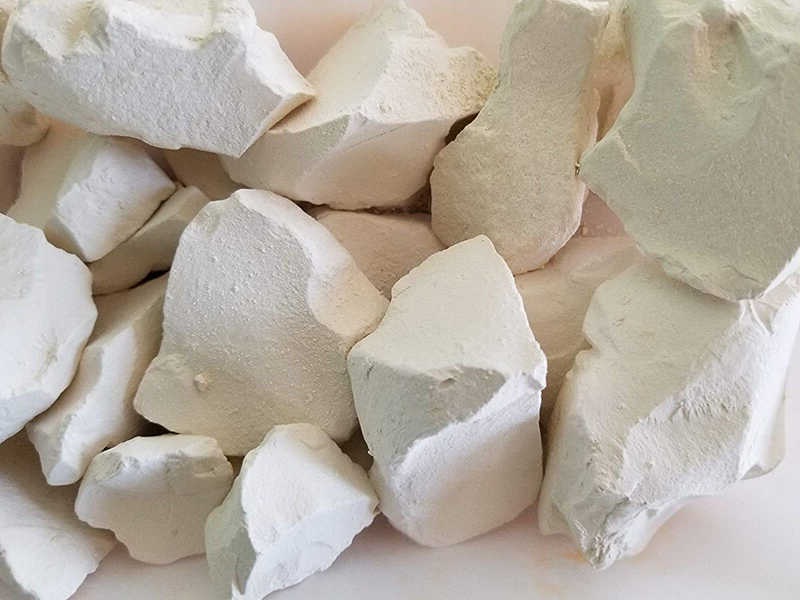
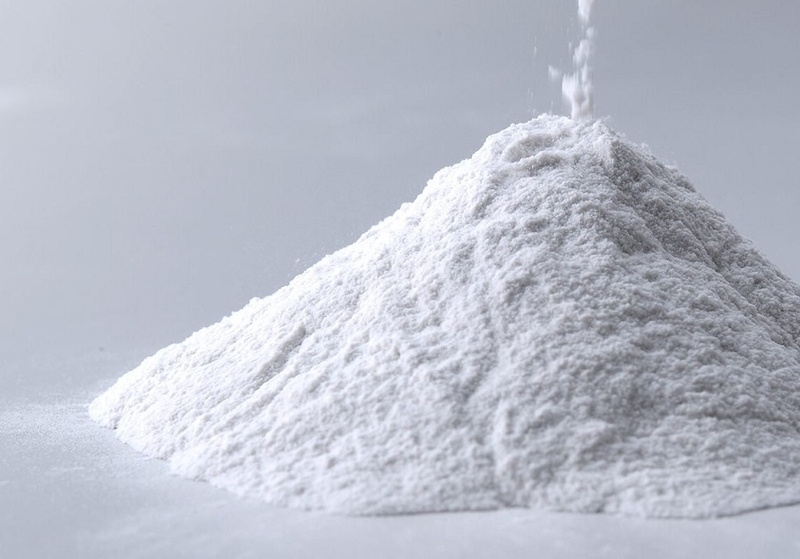
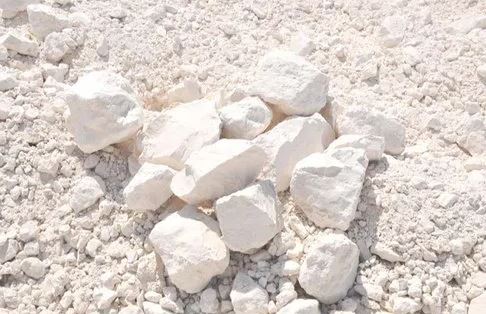
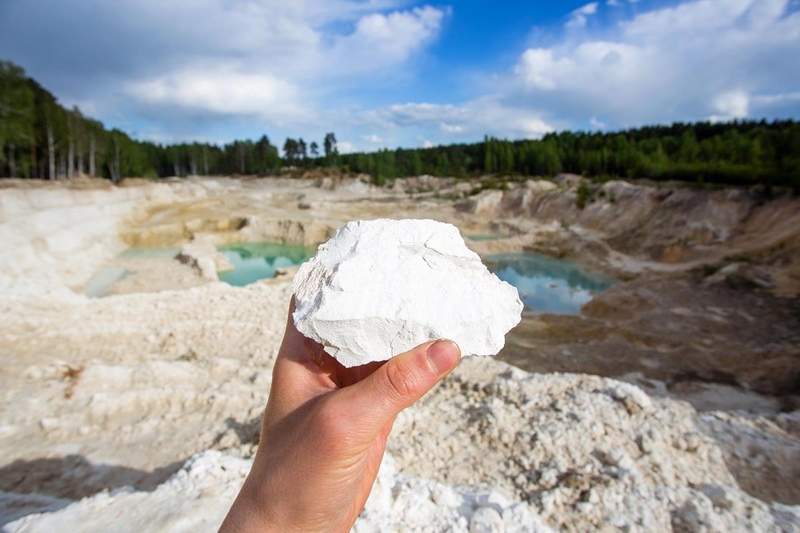
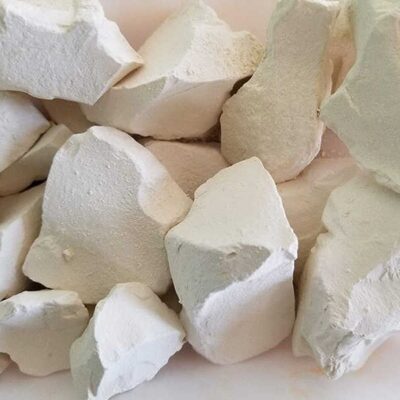
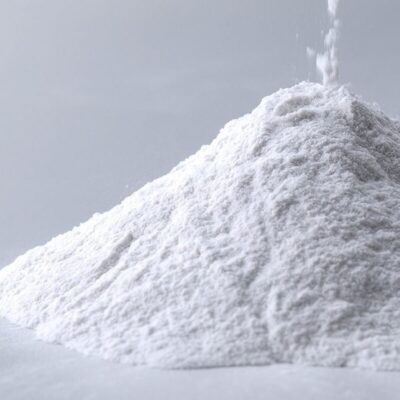
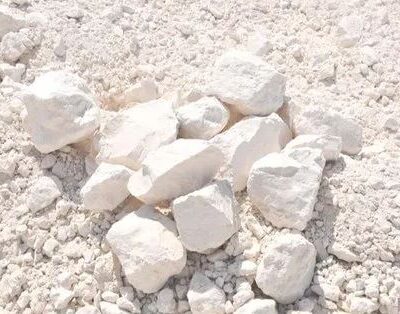
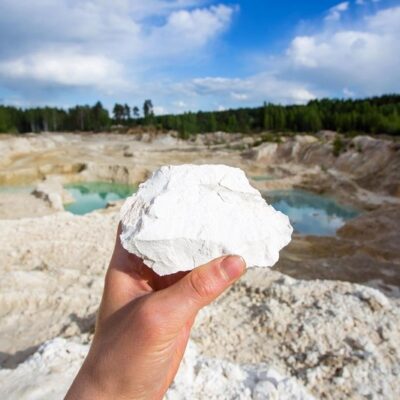
Kaolin clay, also known as China clay, is a naturally occurring white, soft, fine-grained mineral composed mainly of kaolinite (Al₂Si₂O₅(OH)₄). It is one of the most versatile industrial minerals in the world — highly valued for its purity, chemical stability, and smooth texture. With wide applications in ceramics, paper, paint, rubber, plastics, cosmetics, and pharmaceuticals, Kaolin clay plays a crucial role in global manufacturing and export industries.
1. Origin and Composition
Kaolin clay is formed by the natural weathering of feldspar-rich rocks, especially granite. Over millions of years, this process produces a soft, fine, and white mineral that is easy to refine.
Chemically, kaolin consists mainly of hydrated aluminum silicate, with trace amounts of quartz, mica, and other minerals. Its neutral pH, non-abrasive nature, and high brightness make it ideal for numerous applications.
Key chemical composition (typical values):
-
Al₂O₃ (Alumina): 35–38%
-
SiO₂ (Silica): 45–48%
-
Fe₂O₃ (Iron Oxide): < 0.8%
-
TiO₂ (Titanium Dioxide): < 0.5%
-
Loss on Ignition (LOI): 12–14%
2. Physical Characteristics
-
Color: White or off-white
-
Form: Fine powder or clay lumps
-
Particle size: 1–10 microns (after refining)
-
Moisture content: < 1% (in dried powder)
-
Brightness: Up to 90% ISO
-
Oil absorption: 30–35 g/100g
These properties make Kaolin clay suitable for both industrial-scale manufacturing and high-value cosmetic formulations.
3. Industrial Applications
Ceramic Industry
Kaolin is the foundation material for ceramics and porcelain production. It provides plasticity, whiteness, and strength to ceramic bodies and enhances glaze adhesion.
Used for:
-
Porcelain tableware
-
Sanitary ware (sinks, toilets)
-
Ceramic tiles and insulators
Paper Industry
Kaolin is widely used as a paper coating and filler, improving smoothness, brightness, and printability. It helps reduce production costs by partially replacing cellulose fibers.
Paints & Coatings
In the paint industry, Kaolin acts as an extender pigment, improving opacity, brightness, and viscosity. It also enhances weather resistance and reduces the cost of titanium dioxide in formulations.
Rubber & Plastics
Kaolin reinforces rubber and plastic materials, increasing tensile strength, stiffness, and heat resistance, while maintaining flexibility.
Cosmetics & Personal Care
Due to its gentle and absorbent nature, Kaolin is used in facial masks, powders, and soaps. It absorbs excess oil, purifies pores, and soothes sensitive skin without causing dryness.
Pharmaceuticals
Pharmaceutical-grade Kaolin acts as an antidiarrheal, coating agent, and detoxifying compound in various formulations.
Other Uses
-
Catalyst in petrochemical refining
-
Ingredient in fertilizers
-
Filler in adhesives and sealants
4. Grades of Kaolin Clay
Our Kaolin clay is available in multiple grades tailored for different industries:
| Grade | Application | Brightness | Moisture | Form |
|---|---|---|---|---|
| Ceramic Grade | Porcelain, sanitary ware, tiles | 85–90% | <1% | Powder/Lump |
| Paper Grade | Paper coating & filler | 88–92% | <1% | Powder |
| Paint Grade | Paints, coatings, inks | 85–90% | <1% | Powder |
| Cosmetic/Pharma Grade | Skincare, medical | 90–95% | <0.5% | Ultrafine powder |
5. Packaging and Export Specifications
| Parameter | Detail |
|---|---|
| Origin | Vietnam |
| Material | 100% natural kaolin clay |
| Form | Powder or lump |
| Moisture Content | ≤ 1% |
| Packing Options | 25 kg, 50 kg PP/PE bags, or jumbo bags (1 ton) |
| Minimum Order Quantity (MOQ) | 20 tons |
| Export Ports | Hai Phong, Da Nang, or Ho Chi Minh City |
| Delivery Time | 15–25 days after order confirmation |
| HS Code | 2507.00 |
We ensure consistent quality, efficient logistics, and flexible packaging tailored to customer requirements for bulk export orders.
6. Quality Assurance and Processing
Our Kaolin clay undergoes a multi-step refining process to ensure the highest purity:
-
Extraction: From natural deposits in Vietnam’s mineral-rich regions.
-
Blending and Crushing: Raw materials are broken down to uniform sizes.
-
Hydrocyclone Purification: Removes quartz and other impurities.
-
Filtering & Drying: Reduces moisture content.
-
Micronization: Produces ultrafine powder for specialized applications.
-
Quality Control: Tests for brightness, particle size, and chemical composition.
All products meet ISO 9001:2015 and SGS testing standards for global export compliance.
7. Environmental and Economic Benefits
-
Sustainable mining practices that minimize environmental impact.
-
Recycling of water in production to reduce waste.
-
Supports local employment and regional development in Vietnam.
-
Provides eco-friendly alternatives to synthetic fillers and chemicals.
8. Why Choose Our Kaolin Clay?
-
High purity and brightness, suitable for industrial and cosmetic use.
-
Stable chemical composition with low iron and titanium content.
-
Flexible production capacity for bulk orders.
-
Competitive export pricing with reliable global logistics.
-
Customizable particle size and moisture levels per client specifications.
Conclusion
Kaolin clay is a key raw material shaping modern industry — from ceramics and paper to cosmetics and pharmaceuticals. With its natural purity, fine texture, and chemical stability, it continues to be an essential export commodity driving sustainable manufacturing worldwide.
As a trusted Vietnamese exporter of high-quality Kaolin clay, we are committed to delivering consistent quality, reliable supply, and tailored solutions for every industry. Whether for industrial production, cosmetics, or specialized applications, our Kaolin clay ensures performance, purity, and long-term value in every shipment.