Acacia wood
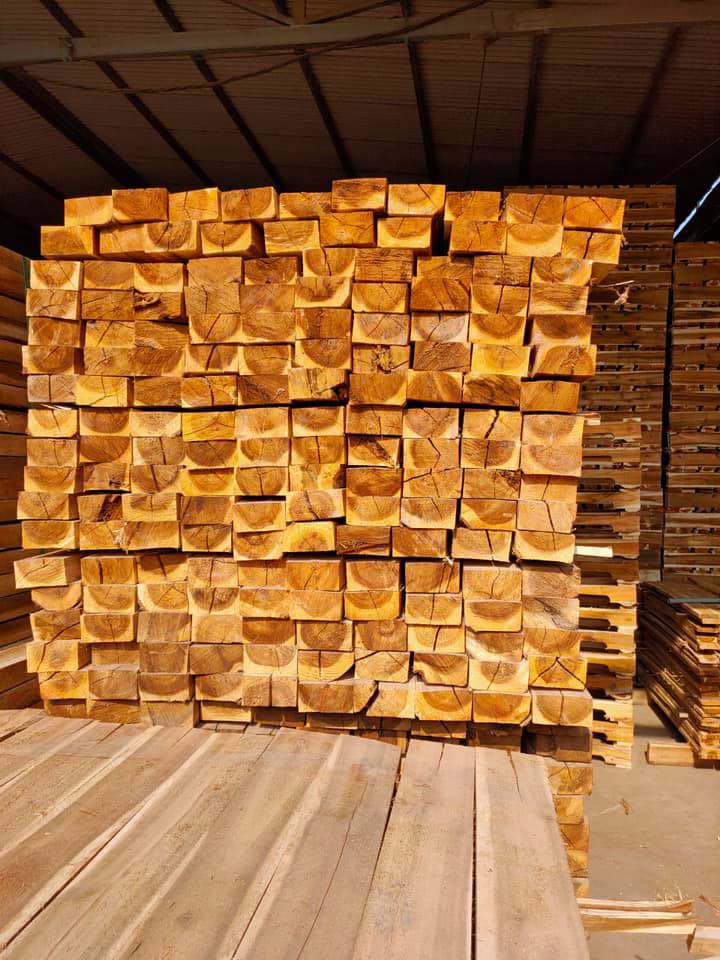
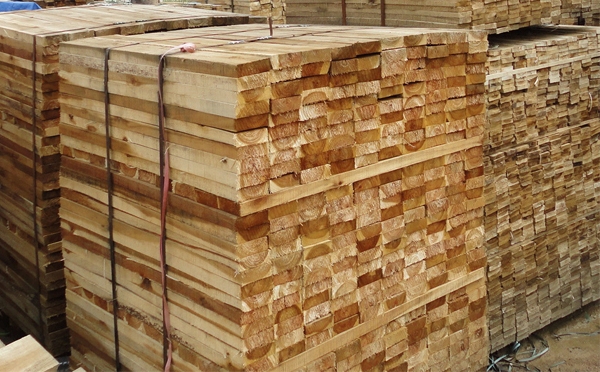
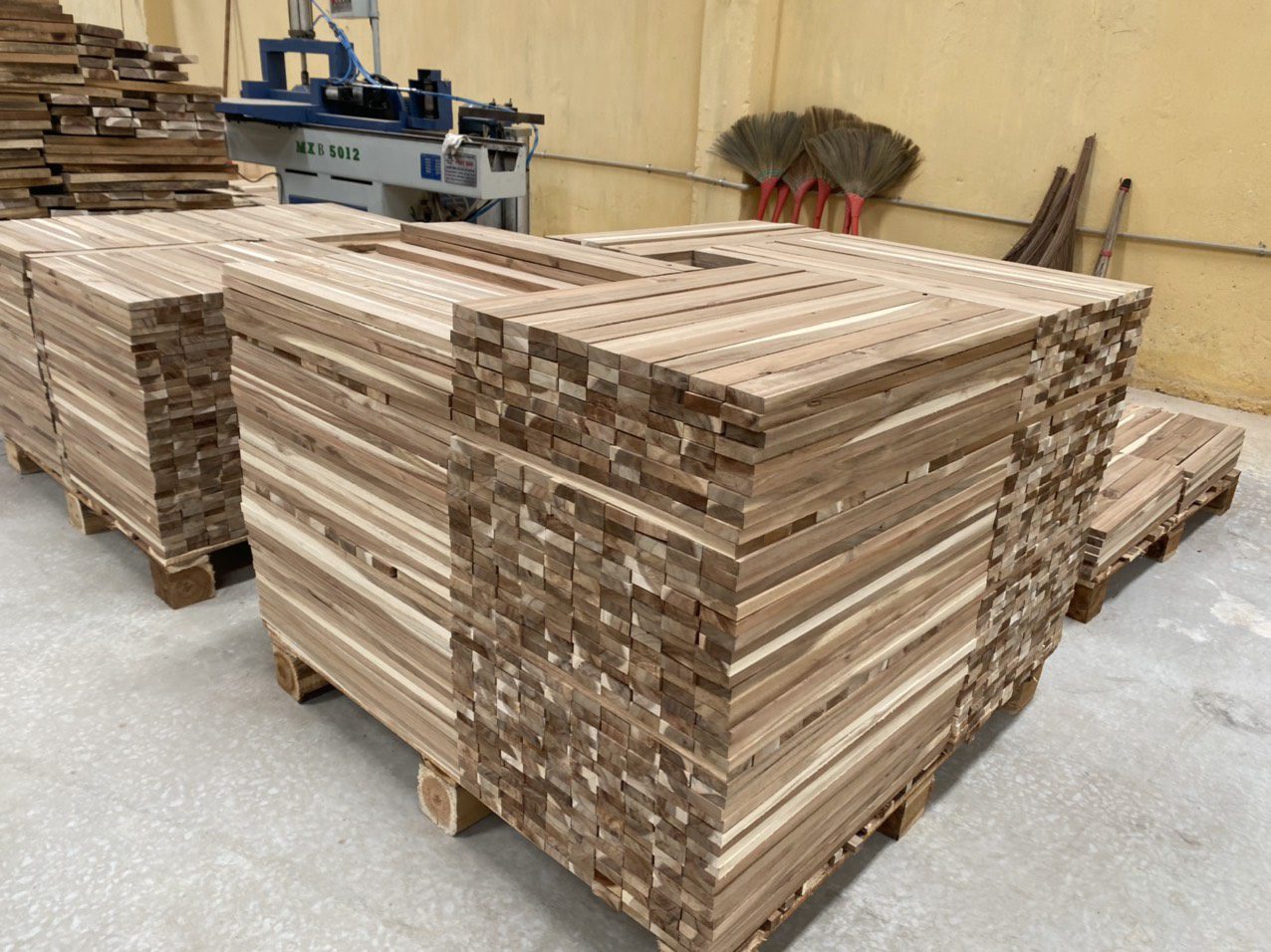
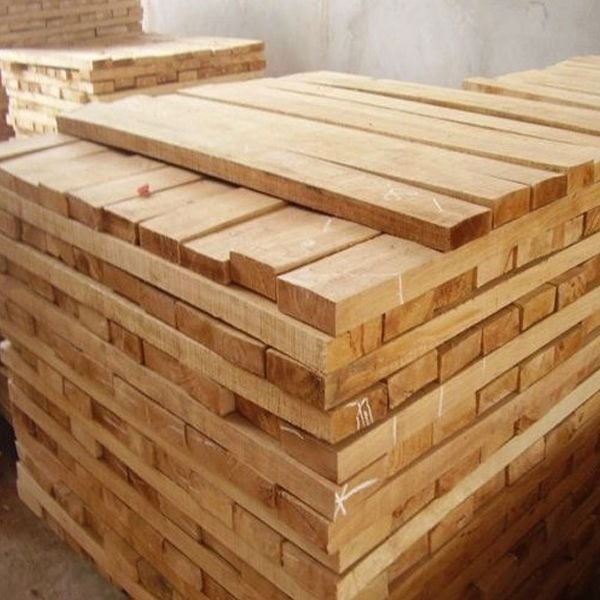
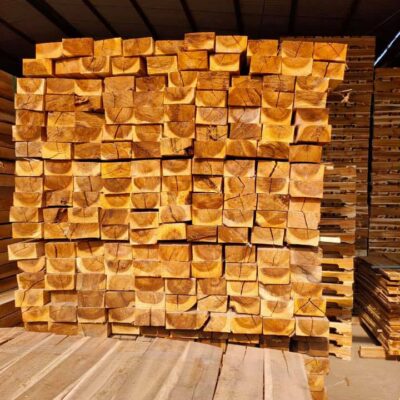
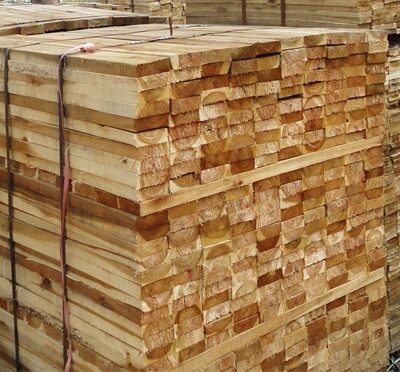
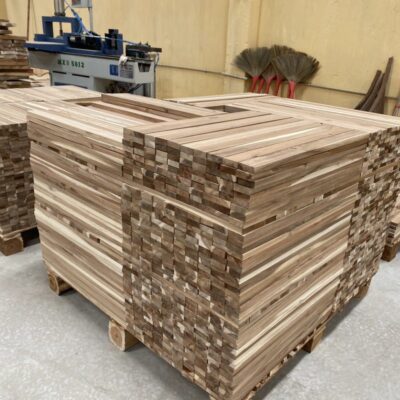

Acacia Wood – Durable, Sustainable, and Naturally Beautiful Material for Global Manufacturing
Acacia wood is one of the most sought-after natural materials in the world for furniture, construction, and decorative applications. Known for its exceptional strength, rich grain patterns, and warm golden tones, acacia wood embodies a perfect balance between durability and elegance. From traditional carpentry to modern industrial design, this material continues to impress both manufacturers and consumers for its versatility and environmental friendliness.
1. Origin and Sustainability
Acacia wood is sourced from the acacia tree, a fast-growing hardwood native to tropical and subtropical regions such as Vietnam, Indonesia, Thailand, and Australia. It is an eco-friendly choice because acacia trees grow quickly and can be harvested sustainably without causing deforestation. The plantations are often managed under strict environmental standards, ensuring soil regeneration and biodiversity preservation.
In Vietnam, acacia wood is one of the most widely cultivated hardwoods used for both domestic consumption and export. Its adaptability to different climates and soils makes it a highly sustainable resource, supporting local economies and providing stable livelihoods for many farming communities.
2. Physical Characteristics and Performance
Acacia wood is classified as a medium to high-density hardwood with an average density ranging from 600 to 800 kg/m³. It has a naturally smooth texture and a stunning array of colors—from light golden brown to deep reddish hues—often featuring wavy or straight grain patterns that highlight its organic charm.
One of the most impressive features of acacia wood is its natural hardness and resistance to impact, bending, and moisture. The wood is naturally rich in oils, which act as a natural barrier against insects, rot, and fungal decay. This makes acacia wood ideal for both indoor and outdoor applications, including furniture, flooring, and decorative wall panels.
Moreover, acacia’s high dimensional stability ensures that it maintains its shape even in fluctuating temperature and humidity conditions. When properly treated and finished, the wood can last for decades with minimal maintenance.
3. Processing and Finishing
Acacia wood is highly versatile in manufacturing and can be easily machined, planed, and sanded to a fine finish. It responds beautifully to stains, oils, and varnishes, allowing for a wide range of aesthetic possibilities—from rustic and natural to sleek and modern.
Manufacturers often kiln-dry the wood before processing to reduce moisture content, preventing warping or cracking during use. After that, the wood can be cut into planks, beams, or boards for furniture, cabinetry, and flooring. Its consistent grain pattern and color tone make it a popular choice for designers seeking both functionality and elegance in their projects.
4. Applications Across Industries
Acacia wood’s combination of strength, beauty, and durability makes it suitable for a wide range of applications:
-
Furniture: Widely used in crafting tables, chairs, shelves, and cabinets for both residential and commercial settings.
-
Construction: Ideal for flooring, wall cladding, and beams due to its toughness and moisture resistance.
-
Decorative items: Acacia’s fine grain and smooth texture make it perfect for producing home décor items such as trays, bowls, cutting boards, and picture frames.
-
Outdoor use: Thanks to its natural weather resistance, acacia is frequently chosen for garden furniture, decking, and patio structures.
5. Environmental and Health Benefits
Acacia wood stands out not only for its physical and aesthetic properties but also for its positive environmental impact. As a renewable material, it contributes to reducing dependence on synthetic and non-biodegradable resources. Its cultivation helps absorb carbon dioxide and improves soil health, making it a valuable component in sustainable forestry practices.
Additionally, acacia wood is non-toxic and safe for use in household and kitchen products. The absence of harmful chemicals and its antibacterial properties make it a preferred material for cutting boards, utensils, and food storage items.
6. Export Quality and Global Demand
In recent years, acacia wood has gained significant traction in the global market. Exporters, particularly from Southeast Asia, supply high-quality acacia timber and finished products to Europe, the United States, Japan, and other regions. Its affordability compared to other hardwoods like teak or oak, combined with its strength and appealing look, makes it a competitive alternative for international buyers.
Export-grade acacia wood undergoes strict quality control procedures including kiln drying, chemical-free treatment, and precision cutting to meet the standards required by different markets. Many exporters also provide FSC (Forest Stewardship Council) certification to guarantee traceability and sustainable sourcing.
7. Conclusion
Acacia wood is a symbol of natural strength, beauty, and sustainability. Its remarkable physical qualities and versatility make it a preferred choice across multiple industries—from furniture production to home decoration and construction. With proper management and modern processing techniques, acacia wood not only delivers lasting value to users but also contributes positively to the global effort toward sustainable material sourcing.
As demand continues to grow, acacia wood stands as a timeless material that combines tradition with innovation, bringing warmth, durability, and eco-conscious craftsmanship to every application.