Sawdust wood pellets


SAWDUST WOOD PELLETS – CLEAN, EFFICIENT, AND SUSTAINABLE BIOMASS ENERGY FOR EXPORT
Sawdust wood pellets are a renewable, eco-friendly source of energy produced from compressed sawdust, wood shavings, and other by-products of the wood industry. With their high energy density, uniform size, and low moisture content, wood pellets are now one of the most popular and efficient forms of biomass fuel used for heating, industrial boilers, and power generation around the world.
What Are Sawdust Wood Pellets?
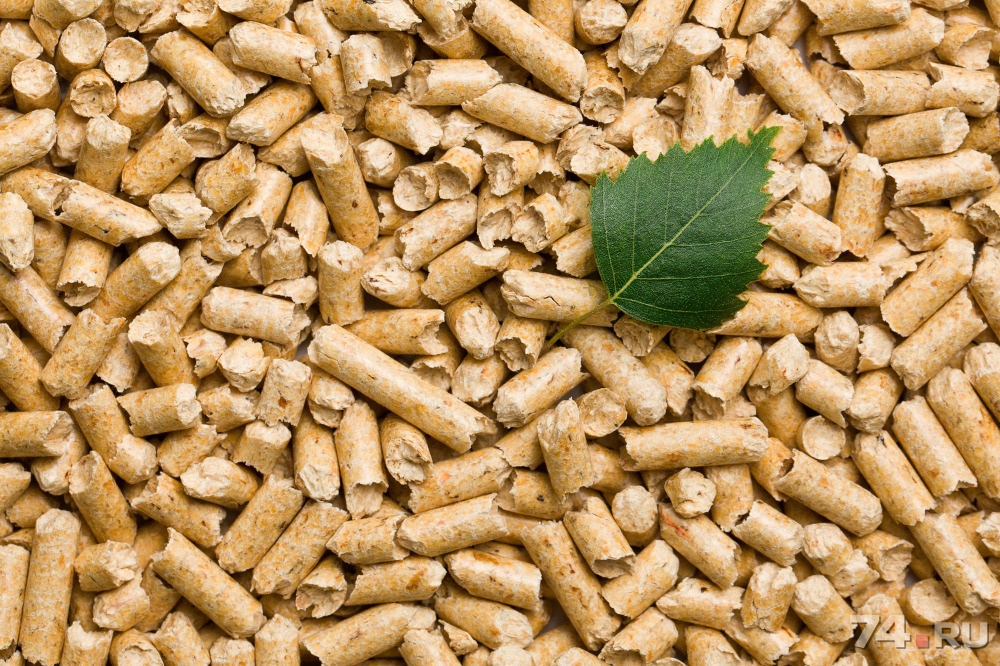
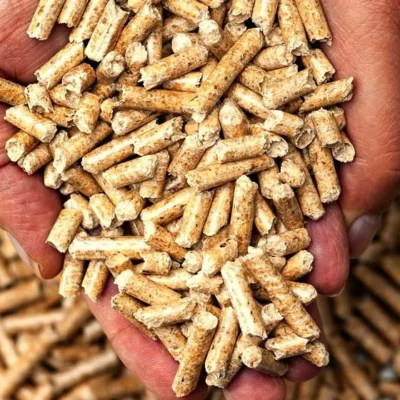
Sawdust wood pellets are small cylindrical pieces (typically 6–10 mm in diameter and 10–30 mm in length) made by compressing dried sawdust and wood residues under high pressure without the use of chemical additives. The natural lignin in wood acts as a binder, giving the pellets their solid and shiny appearance.
These pellets serve as a sustainable alternative to coal, oil, or gas, providing clean and efficient energy for domestic, industrial, and commercial use.
Outstanding Features and Advantages
1. High Calorific Value
Wood pellets offer a heating value of 4,500 – 5,000 kcal/kg, comparable to fossil fuels. This makes them an excellent source of consistent and long-lasting heat for stoves, boilers, and power plants.
2. Low Moisture and Ash Content
With a moisture content below 10% and ash content under 1.5%, sawdust pellets burn efficiently with minimal smoke and residue. This ensures clean combustion and easy maintenance of heating equipment.
3. Environmentally Friendly Energy
Made entirely from recycled sawdust and wood waste, pellets are a carbon-neutral fuel. The CO₂ emitted during combustion is equivalent to the amount absorbed by trees during growth, making this energy source truly sustainable.
4. Compact and Easy to Handle
Thanks to their uniform size and density, wood pellets are easy to store, transport, and feed into automatic heating systems. Their compact form reduces storage space and logistics costs compared to traditional firewood.
5. Economical and Stable Energy Source
As fossil fuel prices fluctuate, biomass pellets remain a cost-effective and stable alternative, especially for countries with abundant wood resources and active reforestation programs.
Technical Specifications
| Parameter | Specification |
|---|---|
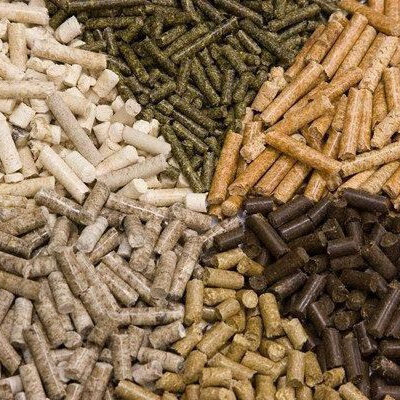
| Material | 100% natural sawdust (acacia, rubberwood, pine, eucalyptus, etc.) |
| Diameter | 6 mm – 10 mm |
| Length | 10 mm – 30 mm |
| Moisture Content | ≤ 10% |
| Ash Content | ≤ 1.5% |
| Calorific Value | 4,500 – 5,000 kcal/kg |
| Bulk Density | 650 – 750 kg/m³ |
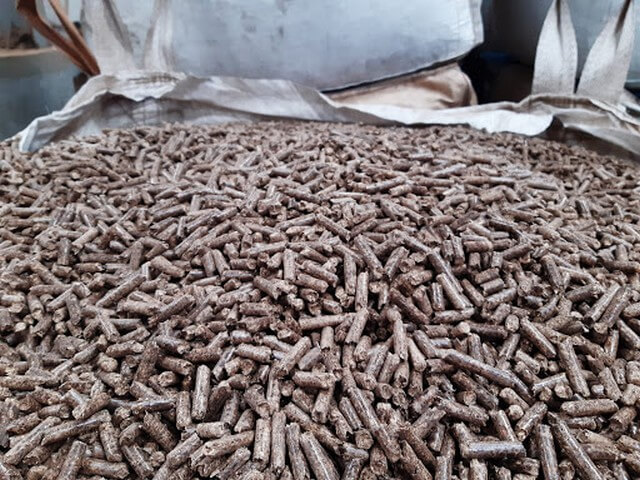
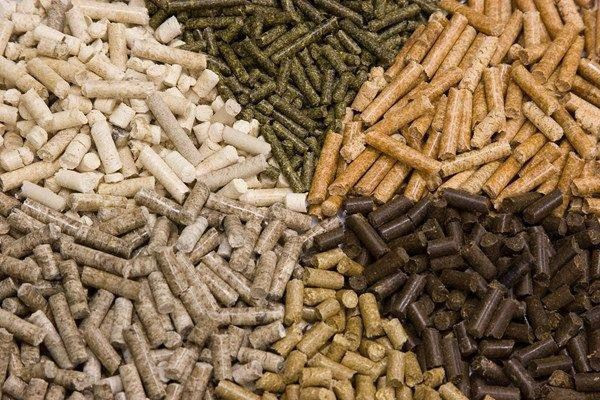
| Color | Light brown or dark brown |
| Packing | 15 kg bags, jumbo bags (500–1000 kg), or as customer request |
| Standard | ENplus A1 / ISO 17225-2 / DIN 51731 |
Applications of Sawdust Wood Pellets
1. Domestic Heating: Used in pellet stoves, fireplaces, and home boilers for clean, smoke-free heating in cold climates.
2. Industrial Boilers and Steam Generation: Provides a cost-effective fuel for factories, textile mills, food processing plants, and other industrial operations that require high thermal energy.
3. Biomass Power Plants: Wood pellets are an excellent feedstock for biomass power generation, supplying renewable electricity to national grids.
4. Agricultural and Greenhouse Heating: Ideal for drying agricultural products, greenhouse temperature control, and other rural energy applications.
5. Export for Renewable Energy Markets: Highly demanded in Japan, Korea, Europe, and North America, where governments promote renewable energy to replace fossil fuels.
Production Process
-
Raw Material Collection: Sawdust and wood shavings are collected from sawmills and wood factories.
-
Drying: The raw material is dried to reduce moisture to below 10%.
-
Grinding: The material is ground into fine powder to ensure uniformity.
-
Compression (Pelletizing): The powder is fed into pellet machines, where it is compressed under high temperature and pressure to form pellets.
-
Cooling: Freshly made pellets are cooled to harden and stabilize their structure.
-
Screening and Packaging: The pellets are sieved to remove dust and then packed in bags or jumbo sacks for export.
Quality and Export Standards
Our wood pellets meet international standards such as ENplus A1, ISO 17225-2, and DIN 51731, ensuring:
-
High energy output
-
Uniform size and shape
-
Low moisture and ash content
-
Safe, clean, and efficient combustion
We provide export-grade wood pellets for Japan, Korea, Europe, and the Middle East, with customized packaging and shipping options for bulk or containerized orders.
Environmental Benefits
Using sawdust wood pellets helps:
-
Reduce deforestation by utilizing wood waste instead of raw logs
-
Lower greenhouse gas emissions compared to coal and oil
-
Promote circular economy and sustainable forestry
-
Support renewable energy development and energy security in importing countries
Why Choose Our Wood Pellets?
-
100% made from pure sawdust – no additives or binders
-
Consistent quality with strict moisture and density control
-
High calorific value and clean combustion performance
-
Flexible export packaging: 15 kg, 25 kg, or 1000 kg jumbo bags
-
Competitive factory prices and reliable global shipping
-
Proven supplier for Japan, Korea, EU, and Middle East markets
Conclusion
Sawdust wood pellets represent the future of clean, renewable, and sustainable energy. By transforming wood waste into high-efficiency fuel, they help reduce pollution, promote forest conservation, and provide stable energy for industries and households alike.
Whether you are an importer, energy company, or industrial user, our sawdust wood pellets offer the perfect balance of performance, sustainability, and cost-efficiency — an ideal choice for today’s green energy generation and export markets.